Cantiere Fenice Wooden hulls only, since 1958

Carvel · Clinker · Cold moulded · Traditional rig

A Yard That Repairs Wooden Boats and Nothing Else

A wooden hull is a structure that moves, breathes and depends on every fastening around it, which is why a repair done with the wrong species, the wrong bronze or an epoxy patch on a plank that needs to swell will cause more damage than the original problem. We have worked in wood for three generations, keep our own timber stock seasoning under cover, replace planks and frames the way they were built, and tell owners honestly when a boat needs a great deal or when it needs almost nothing.

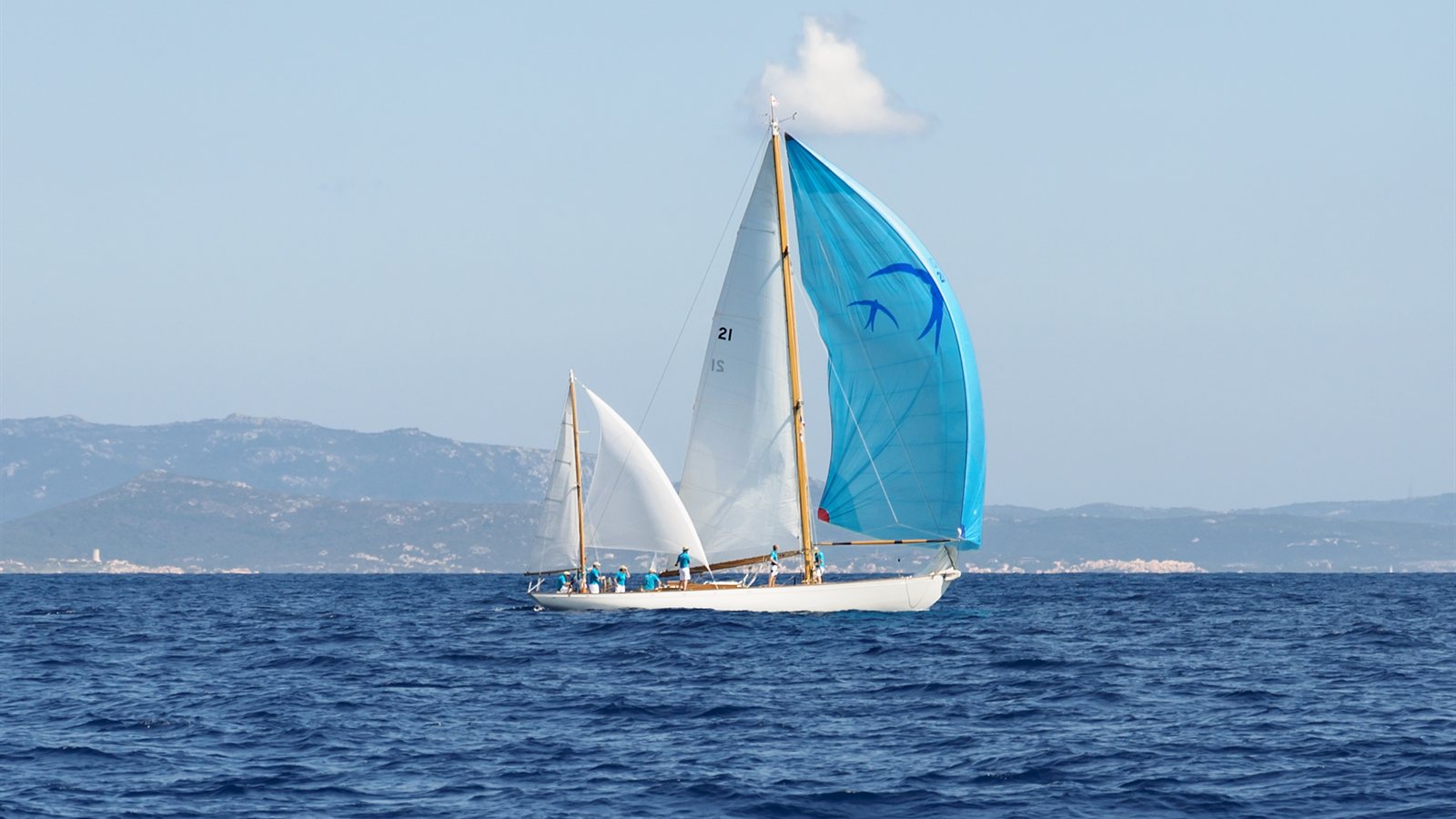
Classic wooden sailing yacht under way
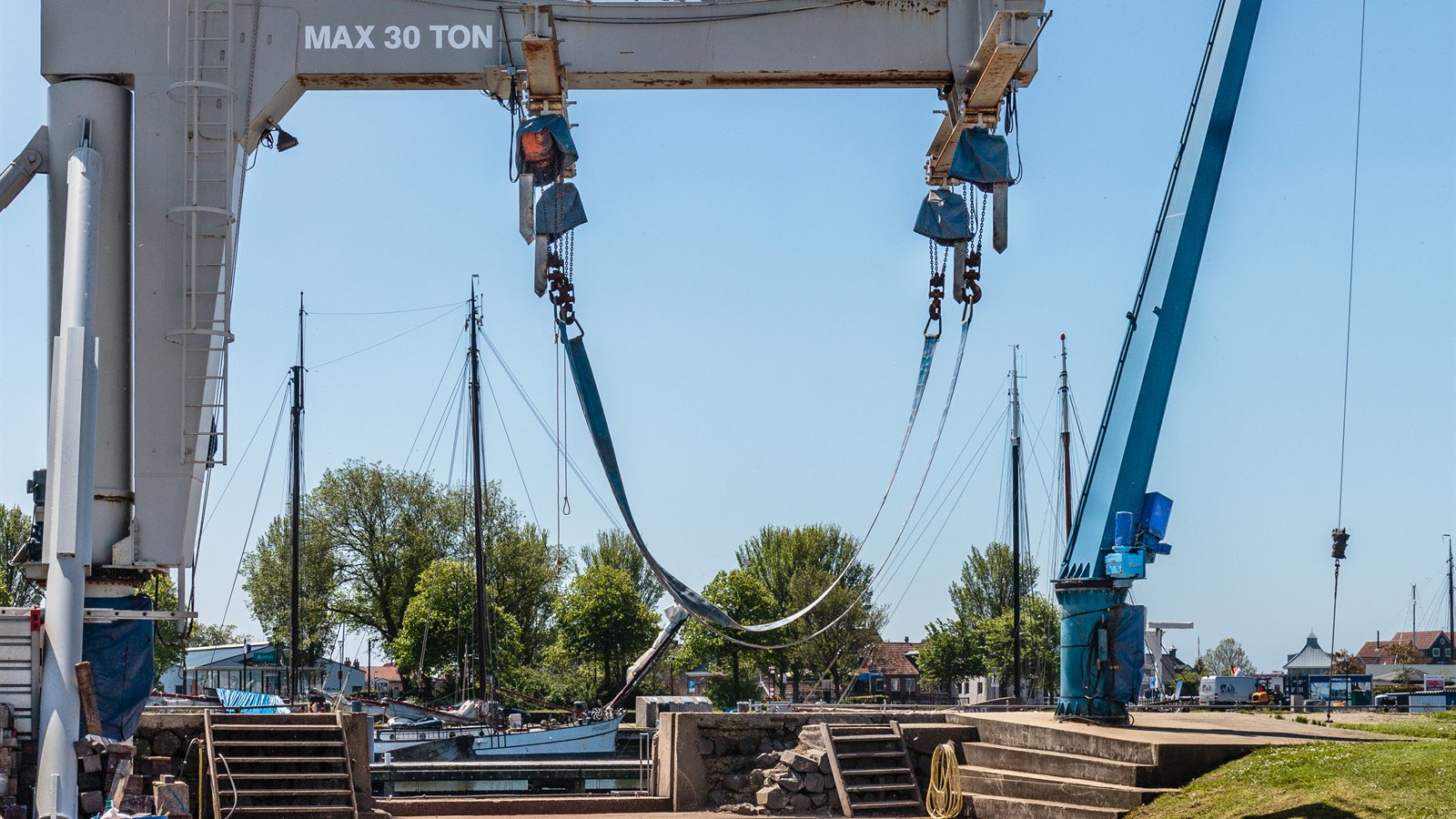
Boat lifted by a yard crane at the quayside

About us

Three Generations and a Shed Full of Drying Timber

The yard was opened in 1958 by a shipwright who built fishing boats and gradually found himself repairing pleasure craft as the fishing fleet shrank. His son took it through the decades when everybody said wood was finished, kept the timber store stocked when there was almost no work, and refused to convert the sheds to fibreglass. His daughter runs it now, and the timber store is the reason clients come: air-dried larch, oak and mahogany that has been seasoning here for years cannot be bought at short notice from anyone.

We work on everything from small traditional working boats to classic yachts of twenty metres, and the approach is the same regardless of value. A hull is opened enough to understand it before any quotation is written, because rot travels along grain and behind fastenings in ways no external inspection reveals, and a price given without that inspection is a guess that both sides will come to regret. Owners receive photographs of what we find, including the parts that turn out to be sound.

Five shipwrights work here, two of whom trained with the previous generation, along with an apprentice who is four years into a long education. We take on more apprentices than the size of the yard justifies, because there are very few people left who can spile a plank, set a rivet or caulk a seam properly, and in twenty years there will be fewer still unless someone keeps teaching it.

Advantages

Why the Method Matters More Than the Price

Six things that separate a repair lasting thirty years from one lasting three.

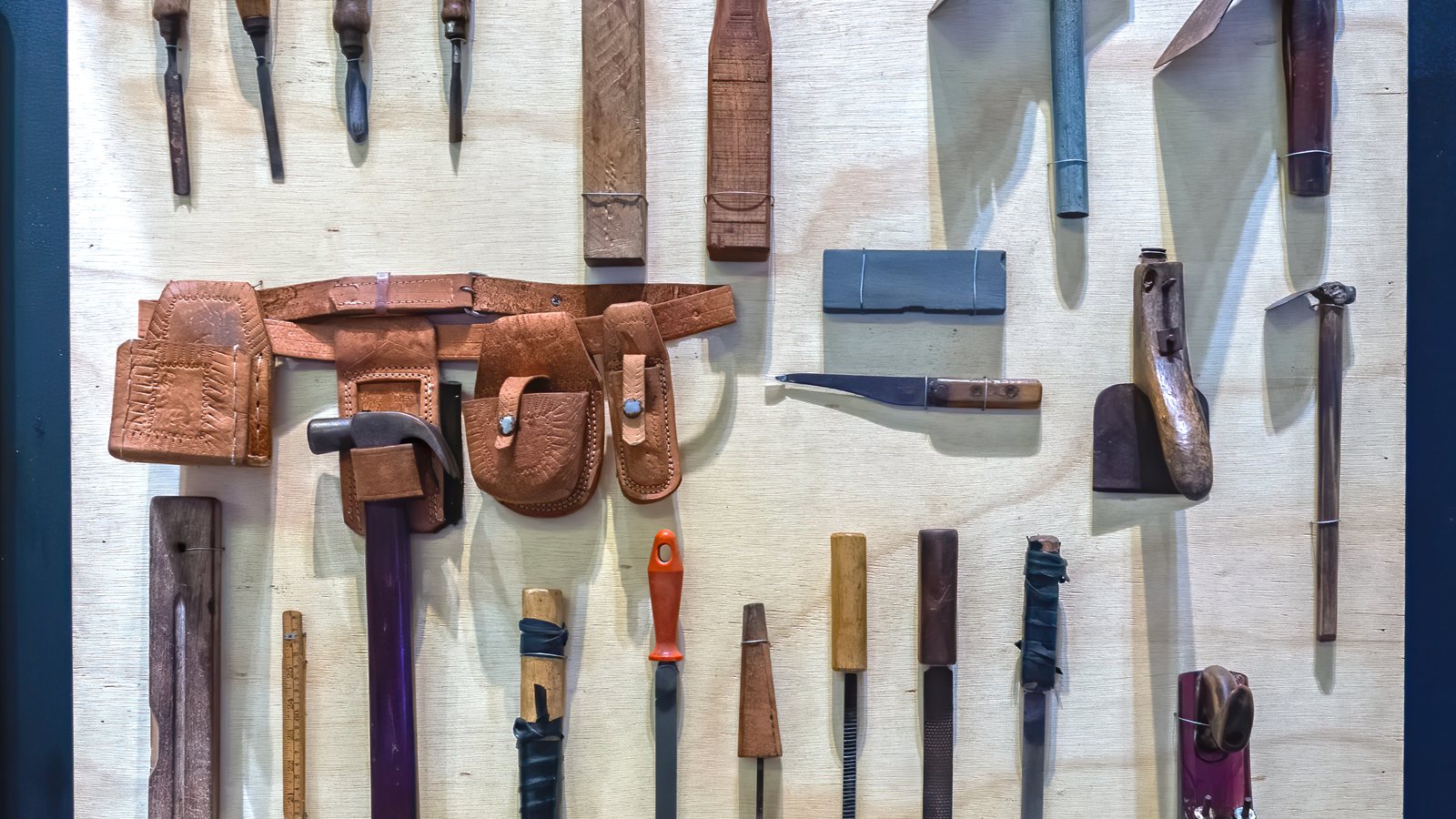
Traditional boatbuilding hand tools laid out

Our Own Seasoned Timber

Boat timber has to be air-dried slowly to the right moisture content, and wood bought green or kiln-dried in a hurry will shrink, split or refuse to take a bend. Our store holds larch, oak, iroko, mahogany and Douglas fir laid in stick under cover, some of it seasoning for a decade, with quarter-sawn stock kept aside for planking. When a boat needs an eight-metre plank of matched grain, having it already dry is the difference between a repair this season and next.

Opened Up Before Quoting

Rot follows grain, hides behind fastenings and travels under paint that looks perfect, so an estimate written from the outside of a hull is fiction. We remove enough — interior joinery, a few planks, ceiling boards — to see the frames, floors and stem, then quote against what is actually there. Owners get photographs of every area examined, including the sound ones, which is how a quotation becomes something you can rely on rather than a starting position.

Repaired as Built, Not Encapsulated

The quick modern fix is to cut out the bad wood, fill with epoxy and sheathe the hull, which stops a traditional hull swelling and seals moisture inside the structure. Within a few seasons the timber behind the sheathing is worse than before and the repair cannot be undone. We scarf in new wood of the same species and grain direction, refasten in silicon bronze or copper as the boat was built, and use epoxy only where it genuinely belongs.

Fastenings and Metals Understood

Half the hulls we see have been repaired with the wrong metal at some point, and the resulting galvanic corrosion quietly eats fastenings, softens the wood around them and shows up years later as inexplicable weeping. We check what a boat was originally fastened with, keep the compatible bronze, copper and galvanised stock, sample-draw fastenings to assess their condition, and sort out anodes and bonding rather than treating them as somebody else's problem.

Seams Caulked by Hand

Caulking is a craft with a feel to it: cotton or oakum driven to a consistent hardness, seams paid with the right compound, and the whole hull left able to take up when it goes back in the water. Overdriven caulking splits planks and forces frames; underdriven leaks forever. We do it by hand and by eye, we recaulk decks as well as hulls, and we know when a leaking seam is a caulking problem and when it is telling you about a frame underneath.

Told What You Do Not Need

Wooden boats attract alarming advice, and owners frequently arrive expecting to hear that everything must be replaced. Often the structure is sound and the real problems are a badly bedded deck fitting and rainwater sitting in the bilge. We say so, do the small job, and lose the large one. That has kept the yard busy for sixty-eight years through word of mouth alone, and it means the surveys we write are trusted by insurers and buyers.
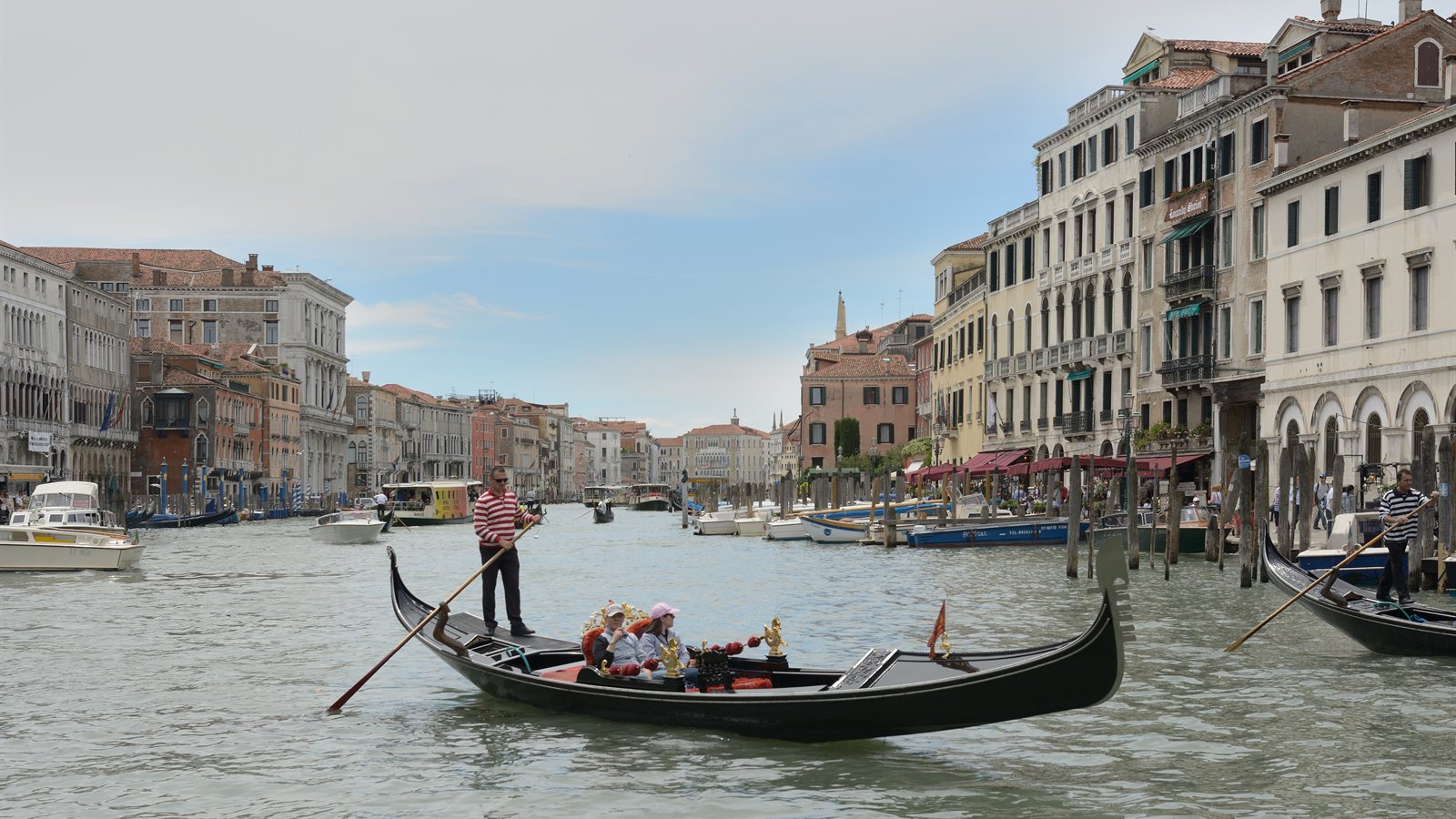
Traditional wooden gondola on a Venetian canal

Services

What the Yard Does

Structural repair, recaulking and refastening, decks and joinery, spars and rigging, paint and varnish, surveys and winter storage.

Planks, Frames and Structure

Replacement of planks, frames, floors, stems, keels, horn timbers and transoms in the original species and scantlings, with new material spiled and fitted rather than forced. Steam-bent frames are bent on site, sawn frames cut to pattern, and laminated repairs used only where the original construction justifies them. Sistering is offered where it is genuinely sound practice and refused where it merely hides a problem for the next owner.

Recaulking and Refastening

Full or partial recaulking of hulls and decks with cotton or oakum and the correct paying compound, along with refastening in silicon bronze, copper rivets or galvanised nails to match the original build. Fastenings are sample-drawn first to assess how much of the boat really needs doing, and seams are reefed out and inspected as we go, because a bad seam frequently reveals a soft frame that nobody knew about.

Decks and Interior Joinery

Laid teak decks renewed or repaired plank by plank, deck beams and carlins replaced, coachroofs and skylights rebuilt, hatches made to match the originals, and interior joinery restored or newly made in matching timber. Deck fittings are removed, rebedded properly and through-bolted with backing plates, since the majority of the rot we cut out began as rainwater entering around a fitting somebody bedded in silicone.

Spars, Rigging and Fittings

Solid and hollow wooden spars repaired, scarfed or newly made, with gaffs, booms, bowsprits and tillers to original drawings where they survive and to careful reconstruction where they do not. Standing and running rigging is renewed in wire or rope to suit the boat's period, blocks and bronze fittings are serviced or cast to pattern, and everything is proof-checked before the mast goes back in.

Paint and Varnish Work

Traditional paint and varnish schemes built up in many thin coats over properly prepared and dry timber, in a covered shed rather than outdoors, because the finish on a wooden boat is protection first and appearance second. We strip back to bare wood where old schemes have failed, deal with the moisture that caused the failure, and offer annual maintenance coats that keep the work alive rather than restarting it every five years.

Surveys, Storage and Care

Pre-purchase and insurance surveys written by shipwrights who repair these boats rather than by generalists, with realistic costings for everything noted. Covered and outdoor winter storage with proper shoring and ventilation, lift-out and launching, seasonal antifouling, and a care plan for owners who want to do their own maintenance and simply need to be shown what matters and in what order.

Contacts

Surveys, Estimates and Berths

Tell us the boat's age, construction and length, describe what is worrying you and send photographs of the area concerned. For anything structural we will want to see the hull ashore before quoting, and we will say so rather than send a number that changes later.

Winter storage should be booked by early September; the covered sheds fill first.

Yard9 Calata Doria, 16033 Lavagna, Genova, Italy
Phone+39 0185 39 27 14
OpenMonday–Friday 07:30–17:30, Saturday 08:00–12:00